
AIoT-Driven Campus Transformation: Smarter Operations, Greener Futures
Introduction
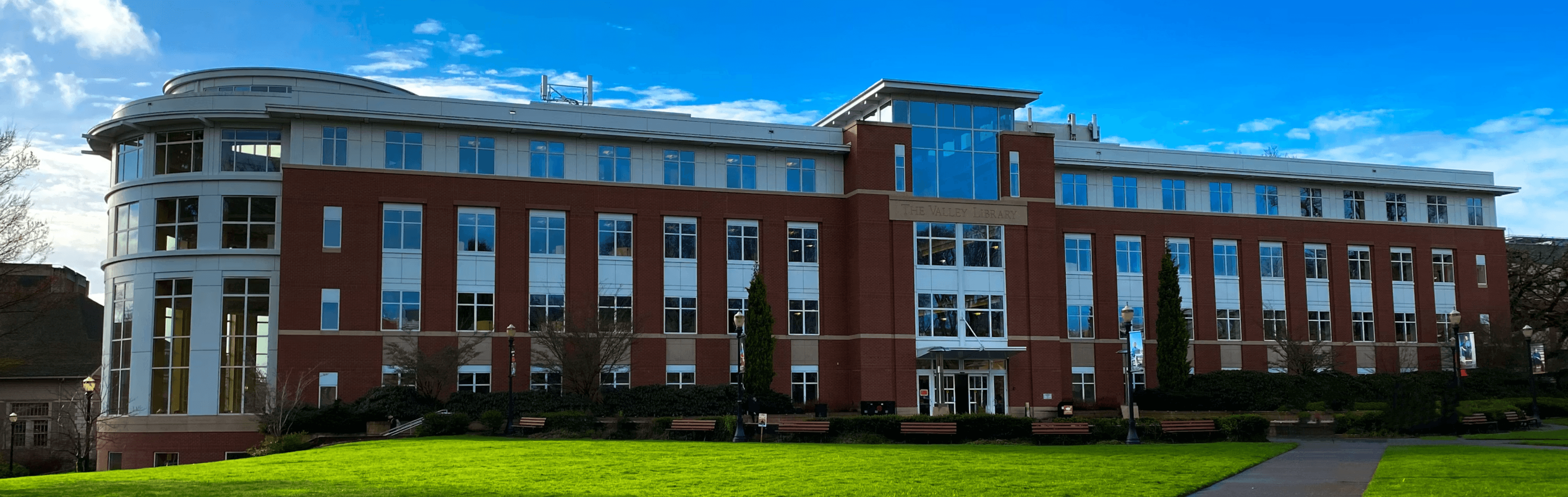
AIoT-driven campus transformation is changing how educational institutions manage buildings, utilities, equipment, safety, and learning environments. By combining artificial intelligence with IoT sensors, gateways, edge devices, and cloud platforms, campuses can collect and analyse operational data in real time.
What AIoT Means for Educational Institutions
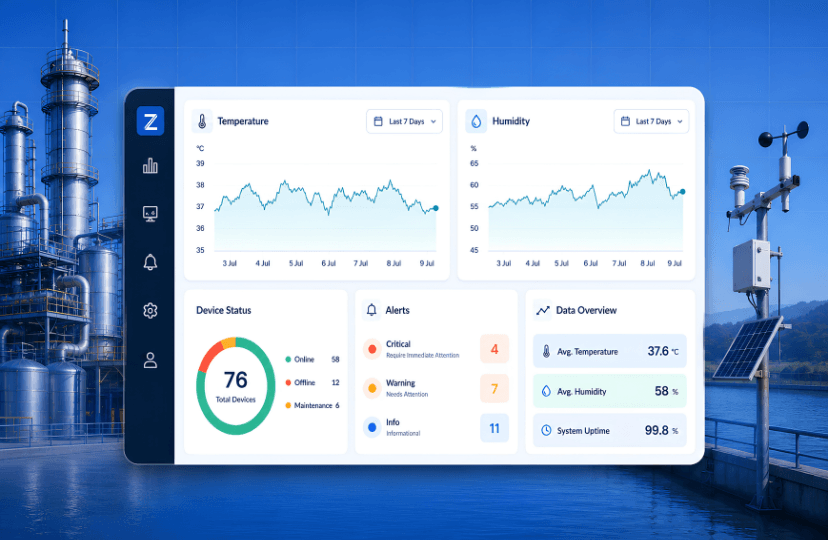
AIoT in education helps administrators monitor energy, water, occupancy, air quality, and equipment performance from centralized dashboards. Solutions such as the thingZmate AIoT platform can connect devices, visualize operational data, generate alerts, and support data-driven campus management.
Why Educational Institutions Need Smart Campus Solutions
Schools, colleges, and universities manage multiple buildings, laboratories, hostels, utilities, and shared facilities. When these systems operate separately, administrators may struggle to identify wastage, equipment faults, and abnormal conditions early. Smart and sustainable building solutions help institutions connect these operations through a unified monitoring and automation framework.
- Provides real-time visibility across campus operations.
- Reduces energy and water wastage.
- Supports faster maintenance and issue resolution.
- Improves decisions through dashboards and reports.
- Creates practical AIoT learning opportunities.
Centralized Monitoring for Intelligent Campus Management
Intelligent campus management connects physical infrastructure with one digital monitoring platform. Sensors continuously track environmental conditions, utility consumption, occupancy, and asset status, while dashboards present live data, trends, alarms, and historical reports.
Smart Campus Applications
- Occupancy-based classroom lighting and ventilation.
- Indoor air-quality monitoring in learning spaces.
- Equipment monitoring for pumps, HVAC, lifts, and generators.
- Connected laboratories for research and practical learning.
- Centralized safety and emergency notifications.
Smart Water and Campus Energy Management
Water and electricity are major recurring expenses for educational institutions. Smart water monitoring systems help teams monitor tank levels, flow rates, leaks, pump operation, and consumption across buildings. Smart energy monitoring systems help institutions identify peak demand, abnormal usage, and inefficient equipment operation.
Utility Monitoring Capabilities
- Tank-level monitoring with overflow and low-level alerts.
- Water-flow tracking and early leak detection.
- Building and equipment-level energy monitoring.
- Occupancy-based lighting and HVAC control.
- Solar generation and consumption tracking. Automated alerts and control rules can reduce operating costs while supporting sustainability and resource-conservation goals. Institutions can also explore practical water conservation strategies before planning wider campus implementation.
Technologies Behind AIoT-Enabled Campus Infrastructure
Connected Devices and Communication
IoT sensors collect real-time data from buildings, utilities, equipment, and environmental systems. Gateways securely transmit this data through wired or wireless networks, while edge devices process critical information locally for faster responses.
AI, Cloud Platforms, and Automation
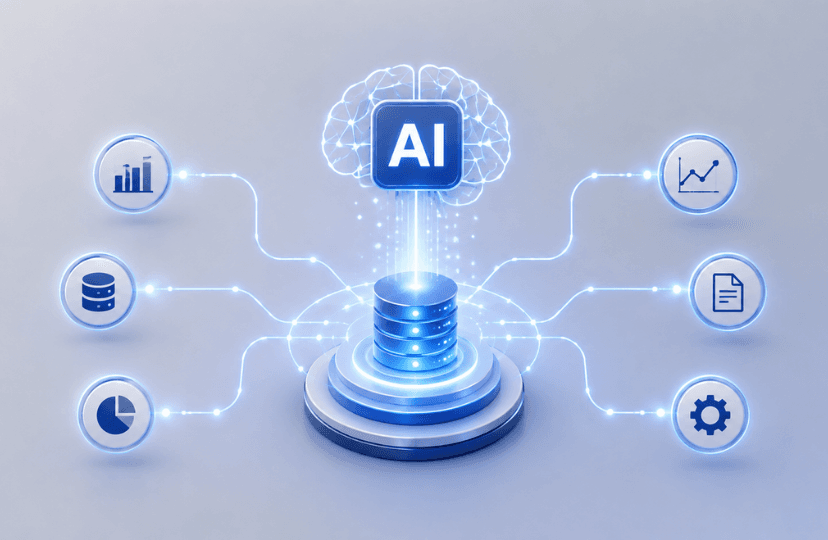
- AI analytics for anomaly detection and forecasting.
- Cloud platforms for storage and device management.
- Dashboards for live monitoring and reporting.
- Mobile alerts for critical campus events.
- APIs for ERP, BMS, and access-control integration.
Building a Sustainable and Future-Ready Campus
AIoT-driven campus transformation helps institutions reduce utility costs, improve asset reliability, strengthen campus safety, and simplify operational reporting. These initiatives can complement the AICTE Clean and Green Campus programme and support broader priorities connected to the United Nations Sustainable Development Goals.
Institutions can begin with a high-impact area such as water, energy, air quality, or equipment monitoring. After measuring the results, the solution can be expanded across departments and buildings. This phased approach makes smart campus adoption practical, scalable, and aligned with long-term academic and operational goals.
Keep Exploring Our Blog Collection

© 2025, Enthu Technology Solutions India Pvt. Ltd. All Rights Reserved.